What are the Nutritional Aspects of Breastmilk?
Breast milk contains all the nutrients needed for proper growth and development of a healthy term infant for the first 6 months, except for vitamin D and vitamin K. Vitamin D must be supplemented for all exclusively breastfed babies.
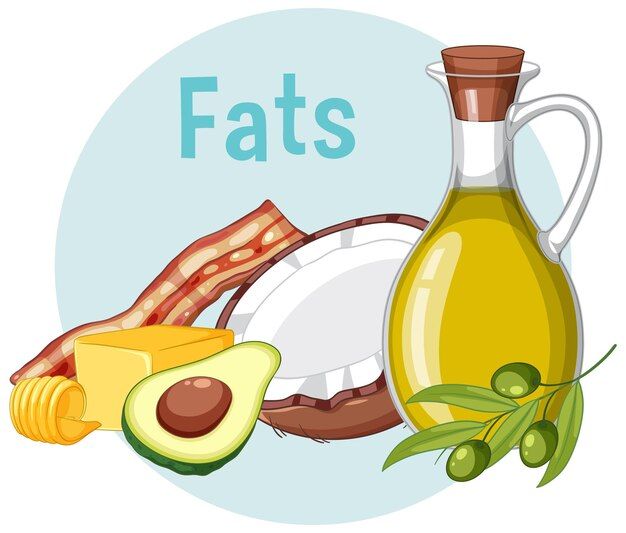
Fat
Breast milk contains 3.8g/dl of fats providing 50% of the total energy content. Human milk contains essential fatty acids and omega-3 fatty acids (docosahexaenoic acid and eicosapentaenoic acid) which are needed for a baby’s growing brain, eyes, and healthy blood vessels.

Carbohydrates
Lactose is the main carbohydrate in human breast milk and provides 50% of the energy content. Lactose is a disaccharide made of glucose and galactose, which enhances the production of cerebrosides and growth of neurons. It also contributes to gut microflora and digestion by converting to lactic acid, making the stomach acidic and preventing bacterial growth.
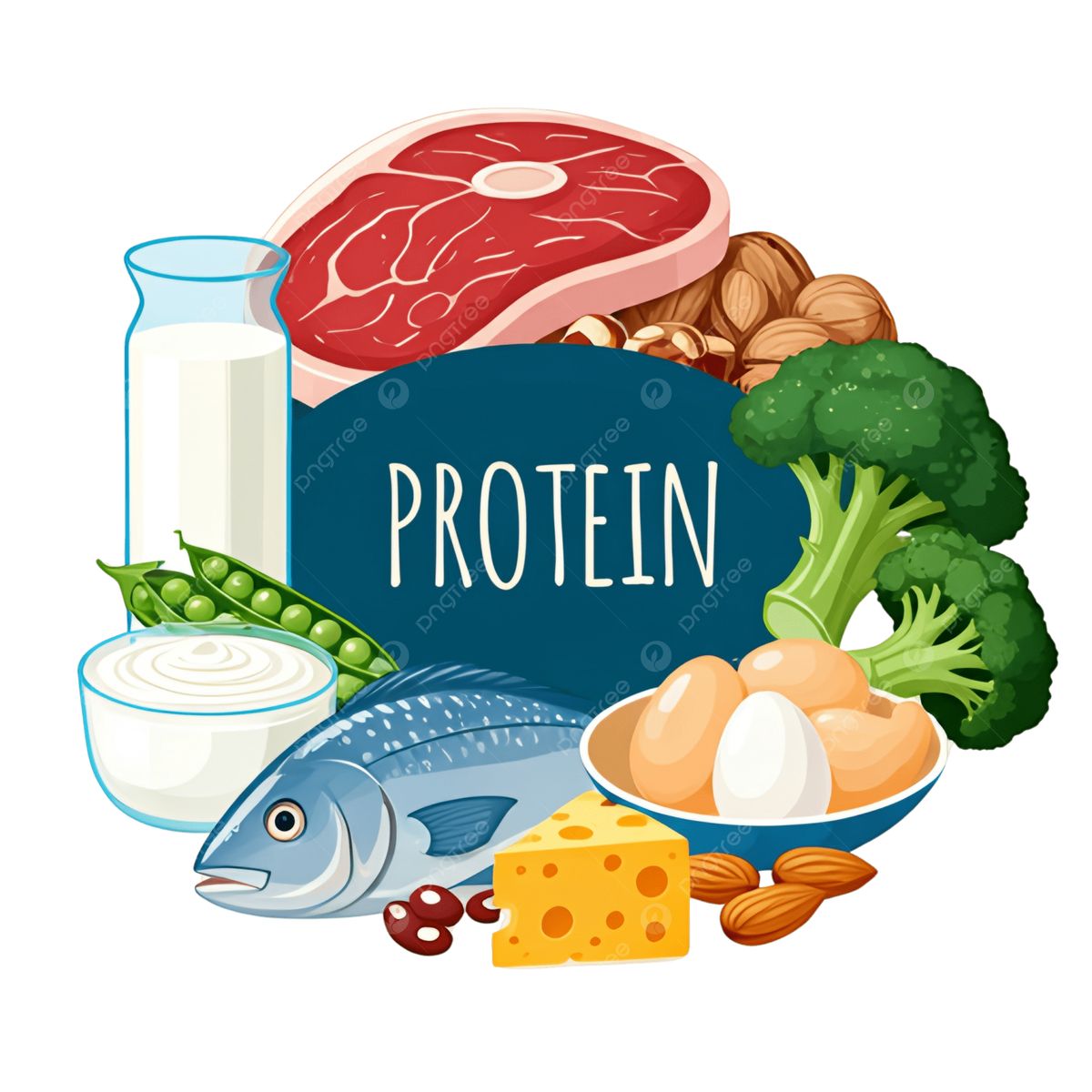
Proteins
Protein content in breastmilk is 0.9–1.1g/dl. Human milk has a low protein and solute load, appropriate for slower somatic growth and rapid brain development in the first 1000 days. The protein is either casein or whey; whey protein is four times higher than cow's milk, easily digestible, and forms a softer curd. Alpha-casein in cow’s milk acts as an allergen. Beta-lactoglobulin is negligible in human milk but present in cow’s milk, causing intolerance. Lactoferrin (80% of whey) is anti-infective and increases absorption of iron, zinc, and magnesium.

Vitamins
Mother’s milk is a good source of vitamins except Vitamin K and Vitamin D. Vitamin K is injected at birth and Vitamin D is supplemented till 1 year of age.
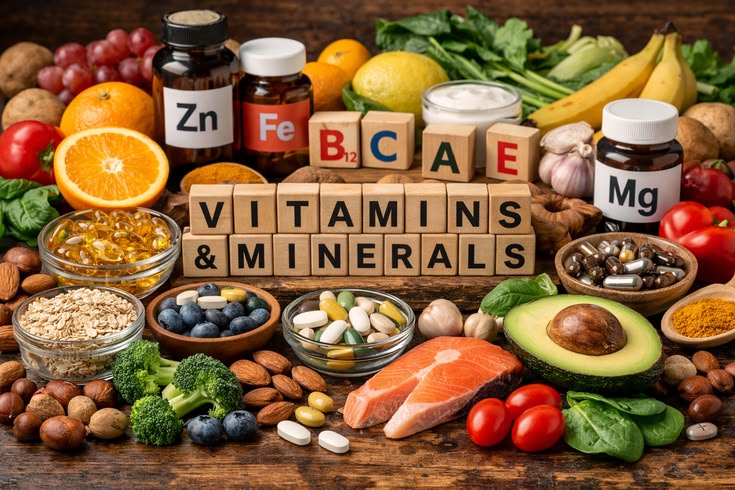
Minerals
Minerals like iron, zinc, magnesium, and phosphorus are present in small quantities but highly bioavailable due to carrier protein lactoferrin. Sodium, potassium, and chloride are lower in mother’s milk, reducing solute load on the infant’s kidneys.
Changing Composition
The composition of breastmilk changes with gestational age, day of life, beginning vs. end of feed, and even the time of day.
Colostrum
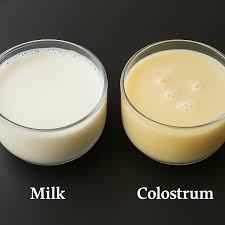
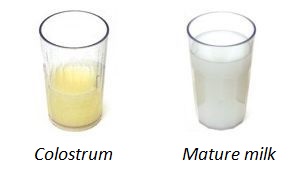
Colostrum is the milk produced in the first 3 days after delivery. It is thick, sticky, golden yellow, rich in protein and immunoglobulins, and is regarded as the first immunisation for newborns.
Transitional Milk
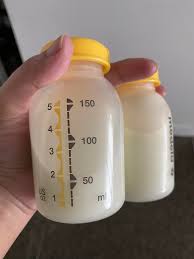
Transitional milk occurs during the first 2 weeks as colostrum changes to mature milk. Protein, immunoglobulins, and vitamins A & E decrease, while lactose, fats, energy, and water-soluble vitamins increase.
Mature Milk
After 2 weeks, milk becomes mature. Foremilk is bluish, produced early, satisfies thirst, and provides protein, lactose, and nutrients. Hindmilk is whiter, produced later, contains more fat, and provides most of the energy. Babies should finish one breast before switching to the other.